

Nano Blading – Two Year Touch Up Gallery
$$MultiPurposeText$$
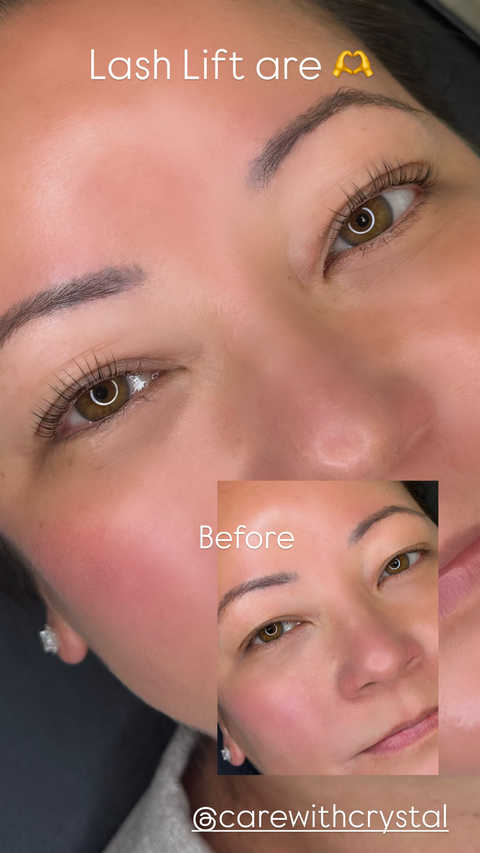
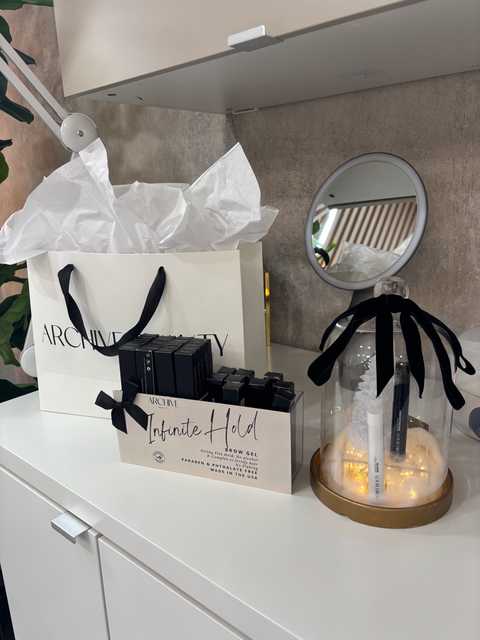
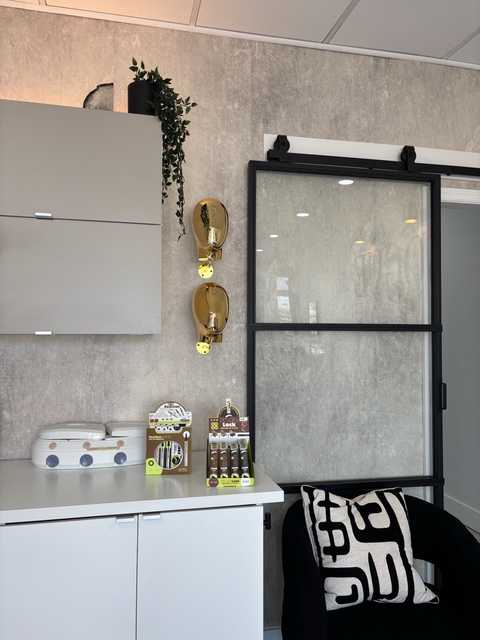
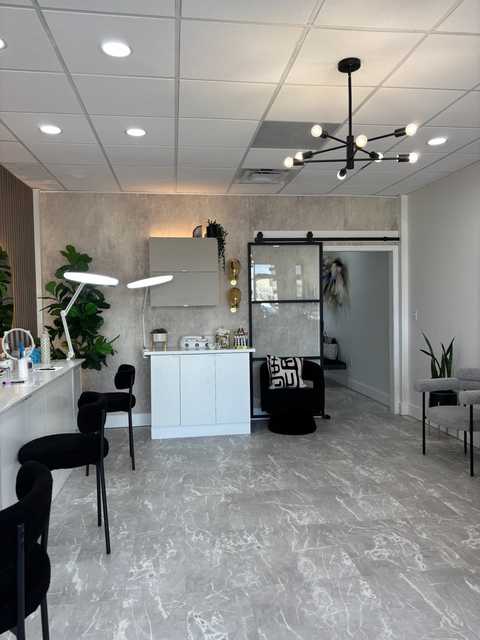
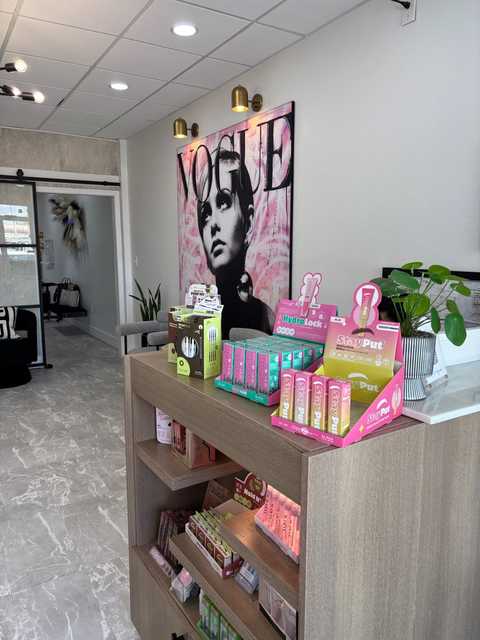
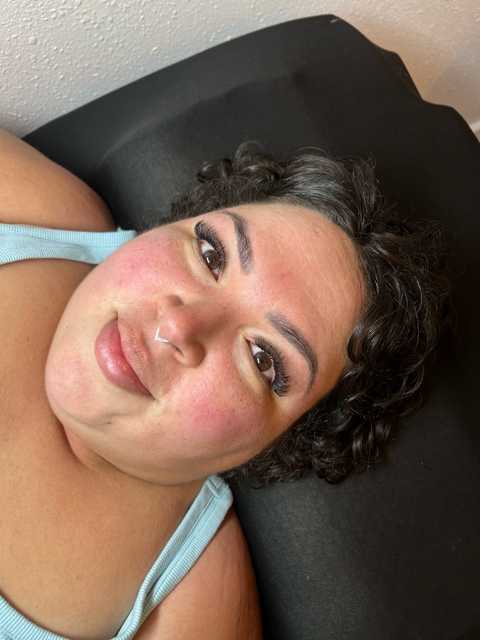
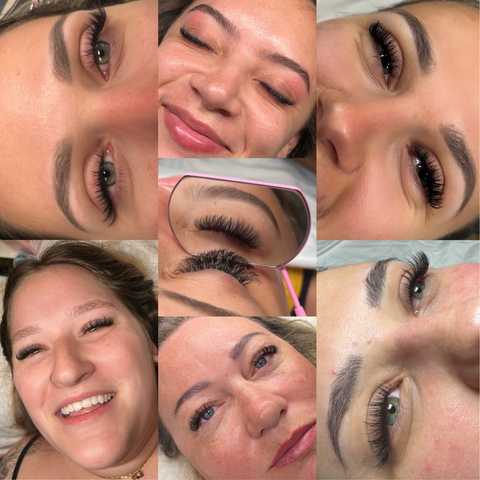
See examples of our Nano Blading – Two Year Touch Up work and results.







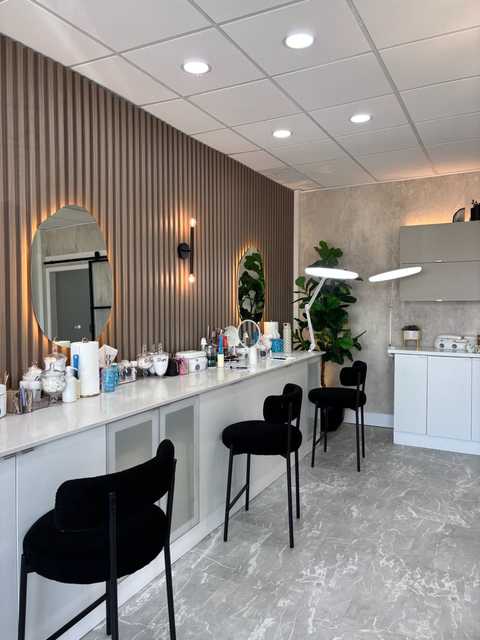
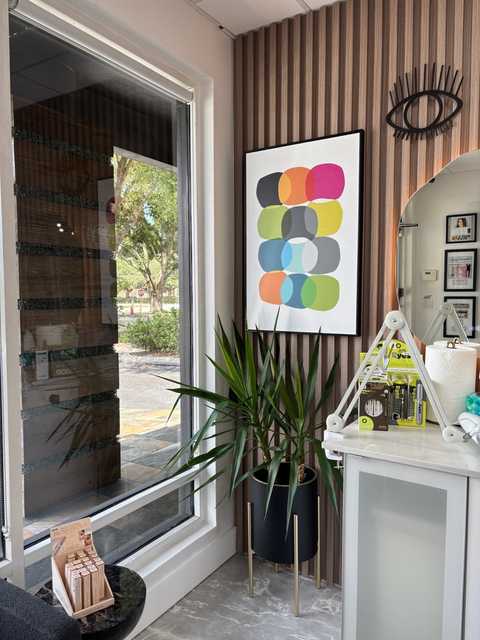
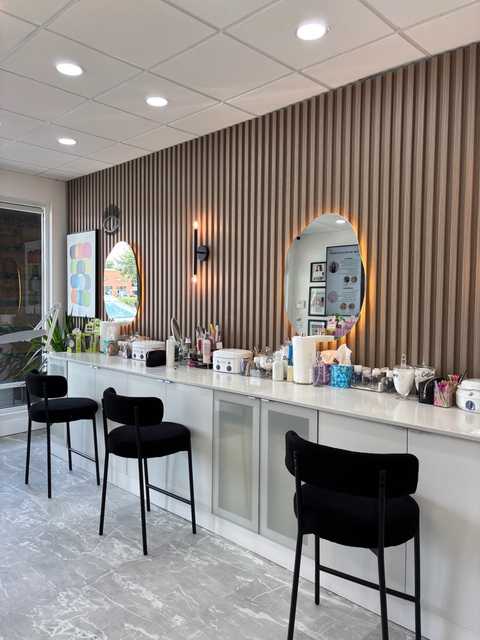


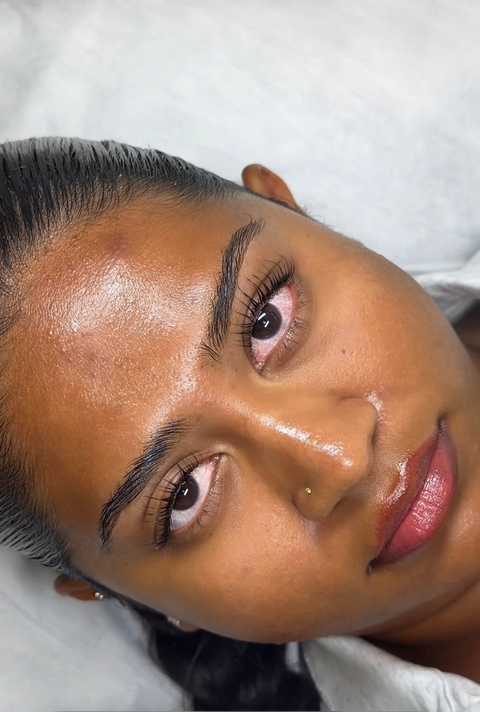
What Our Clients Say
$$MultiPurposeText$$
Read testimonials from our satisfied customers

Very professional. The mapping was not rushed. I also had color correction as well. Defini...more

FANTASTIC every time! I’ve been going for 5 years for my nanoblade eyebrow touch up and th...more

I loved my entire experience with lash extensions and ESPECIALLY my amazing brow nanobladi...more

...more
Frequently Asked Questions
Get answers to common questions about Nano Blading – Two Year Touch Up.
We recommend scheduling your Nano Blading – Two Year Touch Up when strokes have visibly faded, typically 18–24 months after the original procedure. Contact our studio for a complimentary consultation to assess pigment retention and book an appointment with a certified artist.
The touch up refreshes and refines existing strokes rather than replacing them. We enhance faded pigment, adjust shape subtly for balance, and blend new strokes with remaining hair. Major shape changes require a separate corrective session discussed during consultation.
Most clients experience minimal discomfort. We apply topical numbing throughout the nano blading touch up to ensure comfort. Sensations are typically described as light pressure or mild scratching; aftercare and short healing minimize sensitivity post-treatment.
Aftercare includes keeping brows dry for seven to ten days, avoiding heavy sweating, sun exposure, and swimming. Apply the recommended barrier ointment sparingly, avoid makeup on the area, and follow your artist's instructions to protect pigment and ensure optimal stroke retention.
Results vary by skin type, lifestyle, and aftercare, but most clients enjoy refreshed strokes that last 12–24 months. Regular sunscreen, gentle skincare, and annual or biennial maintenance help prolong pigment and crispness between major nano blading sessions.
Minor shape refinements are possible during the Two Year Touch Up, focusing on balance and natural enhancement. Significant reshaping may require a corrective session to safely remove or rework old pigment. Discuss goals during consultation to plan the appropriate approach.